In a Nutshell: Stocks, both domestic and abroad, finally broke trends that had gotten long in the tooth. Real estate and commodities showed themselves to be safe havens during the stock selloff. Stocks have rebounded and have all-time highs in sight.
Domestic Equity: Trend Breaks, Stocks Bounce
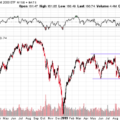
November saw a roughly 6% drawdown, but with a solid bounce off of the lows. Putting some context on this recent correction, all our charts below highlight that while we did break the trend that’s held since May, the selling did catch at the 6500-6600 area the red box below highlights. Additionally, price has recovered and is now trading above the big volume area below 6700. From an economic perspective, we had some anticipated year-end economic weakness that was likely pulled forward by the negative effects of the extended U.S. government shutdown. This short-term weakness is expected to be followed by a very strong first half of 2026 for the U.S. economy. Given all of that context, the probabilities tilt toward the selling being over and investors starting to re-position for a strong 2026.

Our sentiment indicator showed that while we did not hit the oversold levels that are typically associated with bear markets, the stock market did get flushed, creating a potential refresh to our current bull market.
The same can be true with our participation metric. Participation got washed out and reset, but didn’t fall so far as to indicate a regime change from a bull market to a bear market. We’ll need follow through with higher prices for confirmation, but going back to the start of 2024, these events have historically been buying opportunities when economic forecasting is positive.

Global Equity: Trend Broken, Support Held
Global equities, much like U.S. stocks, broke the trend that has held for most of 2025. However, the support level, as indicated by the light blue horizontal line, did hold for now. Based on the relatively weaker bounce from global stocks off the November lows, we are potentially in the midst of a rotation out of global capital and into U.S. stocks. While the global economy led the U.S. economy for most of the year, the global economy is starting to slow while the U.S.’s looks primed to reaccelerate. Global stocks led the way in 2025, but may take a backseat in 2026.

Real Estate: Still Weak, But Holding Support
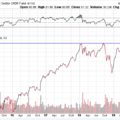
Despite how weak real estate has been for most of 2025, this sector actually provided a positive return over the month and was one of the more stable sectors throughout November. From the chart below, you can see the green box held as support once again – although price continues to trade below the blue uptrend from earlier in the year. Interest rates continue to fall, albeit slowly, giving a bit of a boost to the sector. With the anticipated year-end economic weakness potentially behind us, real estate may start to move higher, particularly given the positive economic outlook for 2026.

Commodities: Commodities Continue Higher
Commodities also traded higher in November in the face of a minor stock correction. We have quite a bit of mixed information as we head into 2026 for inflation and, by extension, commodities. The U.S. looks poised to have inflation cool, while global inflation looks sticky with the potential to head higher. Add in the fact that commodities pricing is up at the top end of the green trend channel (below) and this backdrop makes for an interesting one, to say the least. We’ve trimmed our commodities positions; going forward, the risk looks greater than the return.

Gold spent most of November consolidating but grinding higher, providing another safe haven during the stock market correction. After what looked like a blow-off topping process in October, the price of gold stabilized and formed another familiar consolidation pattern. This pattern appeared at the beginning of the year and during the summer months, all eventually resolving higher in price. With an economic backdrop supportive of another breakout higher, we continue to hold our gold position.

Fixed Income: Investors Want More Cuts
The 10-year U.S. Treasury is still in a longer-term downward trend, but it continues to bounce every time the Fed cuts short-term rates. Given the amount of compressed trading at the 4.1% marker, the next Fed cut (likely in December) could push rates higher and through all of the resistance in the 4.1-4.2% area. Although we are anticipating inflation to fall, it likely won’t be back to the 2% we experienced before Covid – and with economic growth expected to rise, rates may go with it.Speaking of the Fed, they had no meetings in November, so short-term rates stayed steady at 3.75%-4.00%. The interest rate market seems fairly convinced the December 10th meeting will yield another 0.25% cut. Our chart below is supportive of that stance as well. As far as potential cuts in 2026, the rates market expects a few more cuts next year. Granted, a lot can happen in the next year with investment markets, but an economic backdrop of falling inflation, rising growth and policy easing makes for an ideal investment backdrop.

All Terrain Portfolio Update
Heading into December, the sharp stock correction has forced us to reduce some equity exposure, resulting in a 30% in risk-averse, short-term treasuries less than three years in maturity that are paying interest in the 3.0-4.0% range. As of now, with such a positive forecast for the U.S. economy in the first half of 2026, we expect to be fully invested again as we enter 2026. As always, we’ll follow our data and indicators, and execute the All Terrain Portfolio as intended.

Chart as of 11/30/25
Past performance is not indicative of future results. Other asset classes or investment vehicles may be used in client portfolios and client portfolios may not hold all positions of the model at the same time as the model. This chart and its representations are only for use in correlation to the proprietary timing model by Arkenstone Financial, Registered Investment Advisor. Actual client and All Terrain Portfolio(TM) positions may differ from this representation.

- Rising Rates Wreak Havoc - October 9, 2026
- Stocks Pause, Await the Fed - September 4, 2026
- Interest Rates Rise, Stocks Stay Steady - August 4, 2026

Leave a Reply